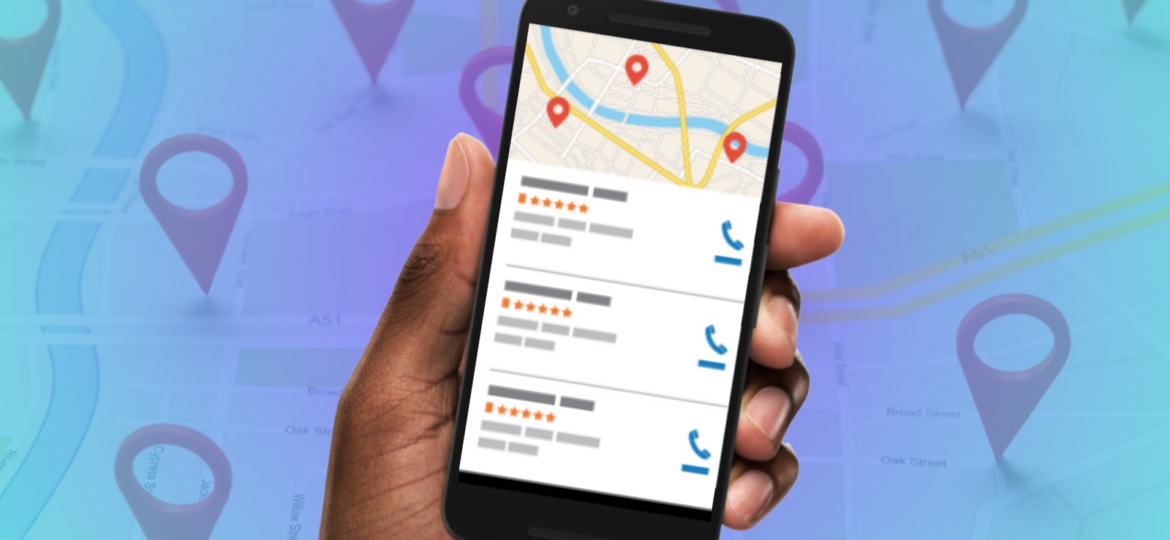
Local search has transformed how customers discover businesses and services in their neighbourhoods. Instead of relying exclusively on traditional directories or recommendations, consumers can use Google Maps to compare nearby companies, review customer experiences, and find accurate contact information.
For companies serving specific geographical areas, local Google Maps ranking is an important part of an effective digital marketing strategy. A well-optimized business profile can improve online discoverability and help potential customers find relevant services.
However, achieving sustainable local visibility requires more than creating a business listing. Businesses must maintain accurate information, build credibility, and provide a useful online experience.
The Importance of Local Search Visibility
Local search connects businesses with customers who are actively looking for nearby products and services.
Consider someone searching for a dentist, cleaning company, restaurant, or automotive repair shop. Google Maps provides relevant local results and allows users to evaluate different options before making contact.
For businesses, appearing in relevant local results can create opportunities to generate enquiries, increase website traffic, and attract customers.
Local visibility is particularly valuable for service-based companies that operate within defined geographical areas.
Optimize Your Business Information
Accurate business information is the foundation of a reliable Google Business Profile.
Start by reviewing your business name, address, phone number, website, and operating hours. Every detail should be accurate and consistent with your official business information.
Choose an appropriate primary category that represents your main activity. Add secondary categories only when they accurately describe additional services.
Write a useful business description explaining your experience, services, and customer focus. Include relevant geographical references naturally where appropriate.
Avoid unnecessary keyword repetition because the goal should be to provide meaningful information rather than manipulate search results.
Understand the Role of Proximity
One important aspect of local search is geographical proximity.
Google considers the relationship between the searcher’s location and the location of relevant businesses. Consequently, a business may appear in different positions depending on where someone performs a search.
This means that local rankings should not be evaluated using only one search location.
Businesses serving larger geographical areas should understand which neighbourhoods and communities are most relevant to their operations. They should also ensure that their service areas accurately represent where they can provide services.
Service-area businesses should follow Google’s eligibility and address-display guidelines.
Build a Positive Online Reputation
Customer reviews help potential buyers evaluate the quality and reliability of local businesses.
A strong review profile can demonstrate customer satisfaction and provide useful insights into the experiences of previous customers.
Develop a consistent process for requesting genuine feedback after completing a transaction or service. Share your official review link through appropriate customer communication channels.
Respond to reviews in a professional manner. Thank customers for positive feedback and address concerns raised in negative reviews.
Do not purchase fake reviews, create artificial customer accounts, or offer rewards in exchange for positive ratings.
Authentic customer feedback is more valuable for building long-term trust.
Use Local Keywords Strategically
Keyword research helps identify the search terms customers use when looking for local products and services.
A landscaping company, for example, might target relevant phrases involving landscaping services, garden maintenance, and its actual service locations.
Use these terms naturally throughout your website, including:
- Service page titles.
- Page headings.
- Informative website content.
- Image descriptions where appropriate.
- Relevant location pages.
- Frequently asked questions.
Avoid creating multiple pages with almost identical content and changing only the city name. Each location page should provide useful, specific information.
Strengthen Your Website’s Local SEO
Your website supports your Google Maps presence by explaining your services and establishing your business’s online identity.
Create dedicated pages for important services and include clear descriptions of what customers can expect.
Display your contact information consistently and provide useful details about your business location or service coverage.
LocalBusiness structured data can help search engines interpret your business information. Include only accurate and relevant details.
Make sure your website works properly on mobile devices. Many local searches happen on smartphones, so visitors should be able to find contact information and service details without difficulty.
Develop Relevant Local Citations
Citations are online mentions of your business information, often including its name, address, and phone number.
They can appear in business directories, industry websites, local publications, and other relevant platforms.
Focus on reputable websites that are relevant to your business and location. Ensure that your business details remain consistent across these platforms.
Review existing citations for incorrect information and remove or correct duplicate listings where possible.
Citation building should prioritize accuracy and relevance rather than the total number of submissions.
Earn Quality Backlinks
Backlinks from trustworthy websites can support your broader search engine optimization efforts.
Local businesses can build relationships with suppliers, professional associations, community organizations, and regional publications.
For example, a local home improvement company might contribute an educational article to a property-related website or participate in a community project covered by a local publication.
The most useful backlink opportunities are those that make sense for your industry and audience.
Monitor Results and Adjust Your Strategy
Local SEO is an ongoing process. Monitor your performance to understand how your business is appearing in relevant searches.
Google Business Profile performance reports can provide insights into customer interactions and profile activity. Google Search Console can help identify website search performance and relevant queries.
Use local rank-tracking tools to monitor visibility across different geographical areas.
Remember that rankings fluctuate, and no legitimate SEO provider can guarantee a permanent number-one Google Maps position.
Conclusion
Strong local Google Maps ranking depends on accurate business information, relevant categories, customer reviews, useful website content, and a trustworthy online reputation.
By combining these elements with consistent monitoring and meaningful local SEO activities, businesses can improve their online presence and create more opportunities to connect with nearby customers.